By admin
Comparing quotes from local roof repair service is a crucial step for homeowners looking to undertake a roofing project. The importance of this exercise lies not only in identifying the most financially viable option but also in ensuring that the chosen service provider will deliver quality and reliability. It’s estimated that roofing project costs can vary significantly, with some quotes being more inflated due to hidden charges or subpar materials, highlighting the need for thorough research. By analyzing various quotes, homeowners can gain insights into the cost breakdown, service scope, and terms offered by different contractors in their area.
This empowers them to make informed decisions that align with their budgetary constraints and quality expectations, ultimately adding long-term value to their property.
1. What Factors Influence Roofing Quote Prices?
a. Material Costs
One of the primary factors influencing roofing quote prices is the cost of materials. Different types of roofing materials, such as asphalt shingles, metal, slate, or tile, vary greatly in price. For example, asphalt shingles are often more affordable but may not offer the same longevity or aesthetic appeal as slate or tile. The quality brand and warranty of the materials also play significant roles in the overall cost. Homeowners should evaluate the trade-offs between cost, durability, and style to determine the best materials for their budget and needs.
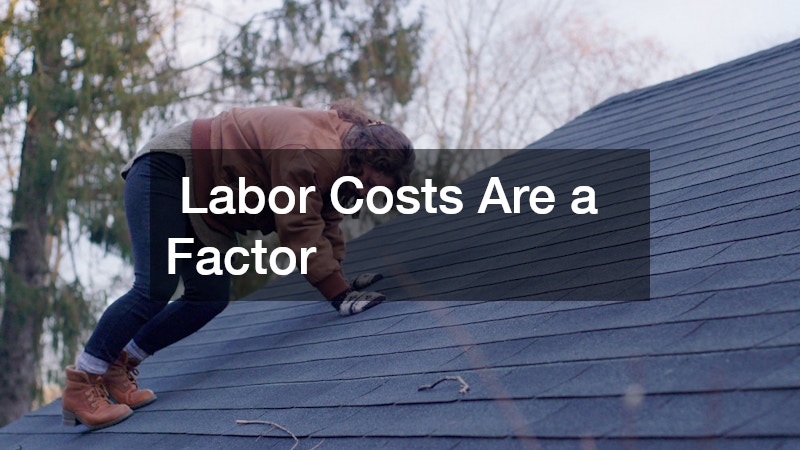
b. Labor Costs
Labor is another critical component that affects the total roofing quote. Skilled labor is essential for proper roof installation, and labor rates can vary based on the complexity and scale of the project. For more intricate roof designs, or homes in areas with a high cost of living, labor costs can increase significantly. A quote should reflect not only the hourly rate of the workers but also the projected hours needed to complete the job. Homeowners should seek a detailed labor cost breakdown to ensure they are getting a fair price for skilled workmanship.
c. Roof Size and Complexity
The size and architectural complexity of a roof significantly influence the pricing of roofing quotes. Larger roofs naturally require more materials and labor, increasing the overall cost. Additionally, roofs with unique designs, multiple slopes, or challenging accesses can add complexity and, thus, higher labor expenses. It’s essential for homeowners to provide accurate measurements and descriptions of their roofs to obtain precise quotes. Contractors may also need to conduct in-person assessments to provide an accurate estimate that reflects all these factors.
d. Location and Accessibility
The geographical location of a property can greatly impact roofing costs due to regional pricing variations. In areas where materials and labor are more expensive, quotes will be reflected accordingly. Accessibility to the roof is also an important consideration; homes requiring more specialized equipment or precautions can expect increased costs. Urban settings might see higher costs due to limited access and higher property taxes. Homeowners must understand how these logistical factors can influence the overall quote.
e. Permits and Inspections
Roofing projects often require specific permits and inspections to comply with local building codes. These administrative fees can vary widely depending on the jurisdiction and the scope of work. Working without the necessary permits not only risks legal penalties but can also impact future property sales. A comprehensive roofing quote will typically include the costs for obtaining permits and conducting any required inspections from local authorities. Ensuring these are part of your contract can help avoid unforeseen expenses and delays.
2. How to Assess the Quality of a Roofing Quote?
a. Detailed Itemization
A quality roofing quote will provide a detailed itemization of all costs involved. This includes a comprehensive breakdown of material expenses, labor charges, permits, and any other fees. Detailed itemization helps homeowners understand where their money is going and allows for easier comparison between quotes from different contractors. It also reduces the risk of unexpected costs that were not initially disclosed. By demanding itemization, a homeowner can effectively evaluate the transparency and honesty of a prospective contractor.
b. Warranty and Service Agreements
Understanding the warranty and service agreements offered is vital when assessing the quality of a roofing quote. A robust warranty can protect against material defects and early failures, providing peace of mind for the homeowner. Service agreements that offer ongoing maintenance can also reflect a contractor’s confidence in their work quality and customer service commitment. Homeowners should carefully review the duration, scope, and conditions of any warranties or service agreements included in a quote. Such agreements can significantly impact long-term costs and satisfaction with the roofing investment.
c. Contractor Credentials
Assessing a roofing contractor’s credentials is essential for evaluating the quality of their quote. Licenses, certifications, and professional affiliations reflect a contractor’s expertise and commitment to industry standards. Homeowners should verify these credentials with the relevant licensing boards or professional associations. A contractor’s compliance with safety standards and best practices can also be indicative of their reliability and workmanship quality. Choosing a contractor with strong credentials helps ensure that the quote reflects a knowledgeable, qualified team capable of delivering on their promises.
d. Timeline and Project Duration
Analyzing the timeline and project duration outlined in a roofing quote can provide insight into a contractor’s planning and efficiency. A reliable contractor will offer a realistic schedule that balances speed with thoroughness. This timeline should account for potential delays due to weather or other unforeseen circumstances while still ensuring timely completion. Homeowners can use this information to evaluate how the proposed duration aligns with their needs and expectations. Ensuring that key milestones and completion dates are clearly communicated helps avoid misunderstandings and enhances project satisfaction.
e. References and Reviews
Checking references and reviews is a practical method for assessing the quality of a roofing quote and the contractor behind it. Previous customer experiences can offer valuable insights into the contractor’s reliability, workmanship, and customer service. Positive reviews and strong references can reassure homeowners of a contractor’s credibility, while red flags in customer feedback may warrant further consideration. It’s important to contact previous clients directly, if possible, to ask specific questions tailored to a homeowner’s concerns. This step helps paint a complete picture of the contractor’s quality and justifies the quote presented.
3. What Questions Should You Ask a Roofing Contractor?
a. Experience and Past Projects
Before selecting a contractor, it’s crucial to inquire about their experience and past projects. Understanding a contractor’s history in the industry provides insights into their expertise and track record. Homeowners should ask about projects similar in scope and complexity to their own to gauge how well the contractor may perform. A contractor with a diverse portfolio of successful roofing jobs likely brings valuable skills and problem-solving abilities. Confident contractors will be eager to share their successes, giving homeowners a clearer idea of their capabilities and reliability.
b. Safety Measures
Asking about safety measures is a critical component when evaluating prospective roofing contractors. Roofing is inherently dangerous, and understanding the safety protocols a contractor employs can prevent accidents and liabilities. Homeowners should inquire about insurance coverage, including worker’s compensation, to protect against any incidents that may occur during the project. Discussions surrounding safety certifications and routine safety audits can further establish a contractor’s commitment to worker and client safety. Ensuring strict adherence to safety standards not only protects those involved but also indicates the professionalism and care a contractor applies to their work.
c. Cleanup and Waste Disposal
Clarification on cleanup and waste disposal should be part of any discussion with a roofing contractor. Roofing projects generate significant debris, and homeowners need assurance that their property will be maintained in a tidy condition throughout the process. Prospective contractors should outline their strategies for waste management and the disposal of old materials. This includes whether dumpsters will be used, who handles their rental and removal, and any associated costs. A contractor that prioritizes efficient cleanup demonstrates respect for the home and commitment to leaving the site clean and safe post-project completion.
d. Payment Terms
Discussing payment terms is essential before engaging a roofing contractor. Payment terms will detail the timeline for installments, methods accepted, and any penalties for missed payments. Some contractors may require deposits or up-front payments, which can impact a homeowner’s financial planning. Understanding the payment structure helps ensure that it aligns with a homeowner’s budget and cash flow requirements. Clear communication about financial arrangements upfront can prevent misunderstandings and support a smooth contractor-client relationship.
e. Unforeseen Costs
Unforeseen costs can arise during any renovation project, and discussing these potential expenses with a contractor is important. Probing for information about what might cause costs to exceed the initial quote can prevent budgetary surprise. Some common scenarios include hidden water damage or structural issues uncovered during installation. A reputable contractor will explain their process for handling unexpected situations and the associated costs. Having this discussion to understand possible contingencies can aid homeowners in accurately budgeting for the entire project scope.
4. How to Compare Quotes from Different Local Roofing Companies?
a. Apples-to-Apples Comparison
When comparing roofing quotes, making an apples-to-apples comparison is crucial for accuracy and fairness. It’s essential to evaluate comparable services, materials, and terms across different quotes, as discrepancies in scope can impact price differences. By ensuring that all factors align, homeowners can establish a fair baseline for comparison. Requesting detailed itemization from each contractor facilitates side-by-side evaluation and highlights any offerings that might skew a direct comparison. This methodical approach allows homeowners to discern true value and opt for a quote that offers balanced pricing and quality.
b. Understanding Hidden Fees
Understanding and identifying potential hidden fees is vital when evaluating roofing quotes. Some contractors might initially offer a low estimate, only to add extra charges later for essential services not initially disclosed. Homeowners can prevent this by scrutinizing the scope of work and questioning any vague descriptions or unitemized costs. Transparent contractors will willingly provide clarity on all potential charges upfront, helping homeowners anticipate financial responsibilities accurately. Thoroughly vetting each quote for additional charges ensures that the contracted price reflects the project’s true cost.
c. Direct Inquiries
Addressing inconsistencies or ambiguities directly with contractors is a responsible approach when comparing quotes. Communication is key to resolving any uncertainty over pricing, material specifications, or project scope. Contractors that respond confidently and provide clear explanations foster trust and transparency. Engaging in dialogue might also reveal willingness to adjust terms or offer compromises that align more closely with a homeowner’s preferences. This clarity ensures that informed decisions can be made, based on complete and accurate information from each potential provider.
d. Negotiation Strategies
Negotiation strategies are valuable tools for homeowners seeking the best value in their roofing quotes. Initiating a negotiation can lead to reductions in the total price or enhancements in services offered, without sacrificing quality. Leveraging competing quotes, highlighting long-term benefits of a customer partnership, and articulating flexibility on project timelines are strategies that can achieve savings. However, it’s important for homeowners to maintain a balance, negotiating respectfully to preserve goodwill and an open line of communication. Effective negotiation can result in a mutually beneficial agreement that satisfies both parties.
e. Decision-Making Matrix
Creating a decision-making matrix helps objectively compare and evaluate quotes from various contractors. This scoring system involves rating different aspects of each quote, such as cost, material quality, contractor reputation, and timeline. By qualitatively analyzing these facets and assigning weighted values, homeowners can better visualize the benefits and drawbacks of each offer. This structured approach makes it easier to reach a justified conclusion based on comprehensive and factual data available for each contractor. The matrix serves as an invaluable resource for distilling complex information into actionable insights, guiding the final decision confidently.
5. What Should Be Included in a Comprehensive Roofing Quote?
a. Breakdown of Material Costs
A comprehensive roofing quote should include a detailed breakdown of material costs. Clear itemization allows homeowners to understand exactly where their money is being spent and assess the quality of the materials proposed. This transparency is vital for comparing quotes from different providers, as it reveals any disparities in material selection that may impact long-term durability and value. Prospective contractors should be open about the brands and specifications of materials, ensuring homeowners receive products that align with both their budget and roofing needs. A thorough understanding of material costs fosters informed decision-making and prevents potential disputes over inferior materials.
b. Labor and Installation Fees
Pinpointing labor and installation fees within a roofing quote is critical to assessing its comprehensiveness. By detailing labor costs, contractors exhibit clarity in their pricing structure, helping homeowners understand the investment in skilled labor. A detailed quote includes the number of laborers needed, the hourly rate, and projected hours, providing insight into the workforce scale required. Such transparency allows homeowners to verify that the fees correspond to the scope of work and expected timeline provided by the contractor. A sound understanding of labor expenses supports trust and enables a realistic assessment of overall project value.
c. Project Timeline
A concise project timeline included in a roofing quote is significant for setting realistic expectations and planning. This timeline should outline all key milestones, including start and completion dates and any contingencies for potential delays. By understanding the expected duration, homeowners can better coordinate the timing of associated elements, such as inspections or complementary home improvements. A precise timeline also serves as an accountability tool, holding the contractor to agreed-upon deadlines. A well-defined timeline, therefore, offers homeowners dependable expectations, encourages project efficiency, and reduces risks of unexpected postponements.
d. Warranty Details
The significance of including warranty details in a roofing quote cannot be overstated. Warranty terms protect homeowners against defects in materials and workmanship, extending peace of mind beyond the installation process. A comprehensive quote will specify the warranty’s duration, conditions, and any service obligations on the part of the contractor. Understanding these warranty specifics is essential for homeowners to safeguard their investment and reduce potential repair costs after project completion. Proper scrutiny of warranty details ensures homeowners are granted sufficient protection against unforeseen roof failures, reinforcing the long-term value of their roofing investment.
e. Cleanup and Disposal Procedures
Including cleanup and disposal procedures in a roofing quote ensures that all project aspects are covered thoroughly. Cleanup protocol dictates how the site will be left once work is completed, mandating that contractors responsibly manage debris and waste. This component of the quote should detail what is included in the cleanup process to avoid confusion over responsibilities. Understanding disposal procedures and potential costs for removing old roofing materials helps prevent auxiliary expenses post-installation. A complete roofing quote that incorporates thorough cleanup provisions underscores professional standards and emphasizes contractor accountability for delivering a pristine final product.
In conclusion, comparing local roofing quotes is not solely a financial exercise but a comprehensive evaluation of service, quality, and long-term value. By investigating material and labor costs, questioning contractors about credentials and safety, and discussing cleanup and warranty terms, homeowners can navigate these decisions more confidently. Clearly understanding the impact of factors like location and permits, paired with smart negotiation and comparison strategies, equips homeowners to make informed choices. Ultimately, selecting the right roofing quote involves balancing immediate budgetary constraints with prospective quality paybacks, ensuring peace of mind and enduring property enhancements. Empowered with the knowledge to decipher comprehensive roofing quotes thoroughly, homeowners are poised to achieve successful roofing renovation outcomes aligned with their needs and expectations.